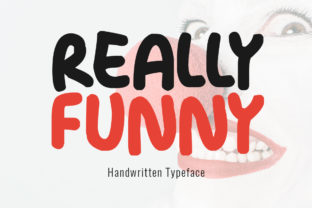
Really Funny
Really Funny is more than just a playful concept—it's a powerful tool in the graphic designer's arsenal that can transform how audiences perceive and interact with visual content. By injecting humor and lightheartedness into design, it creates memorable experiences that resonate on both emotional and functional levels.
In modern graphic design, the right balance of creativity and clarity is essential. Really Funny offers a way to break through the noise, making designs stand out while maintaining professionalism. Whether it's through typography choices, color palettes, or imagery, humor can be a subtle yet effective way to connect with viewers.
Visual Design and Branding
When integrated thoughtfully, Really Funny can enhance brand identity by adding personality and approachability. For example, a logo that uses playful typography or unexpected color combinations can make a brand more relatable without compromising its core message. This is especially valuable for businesses targeting younger or more casual audiences.
Consistency remains key. While humor can be a strong differentiator, it must align with the overall brand strategy. A well-designed visual system that includes elements like custom illustrations, animated graphics, or quirky icons can reinforce brand recognition while keeping the tone engaging.
Marketing and Social Media
Social media platforms thrive on visual storytelling, and Really Funny can elevate content to capture attention. Memorable hashtags, eye-catching infographics, or humorous animations can increase shares and engagement. When paired with a cohesive design language, these elements create a unified and compelling brand presence.
Designers should consider audience expectations when using humor. What works for a tech startup may not resonate with a financial institution. Understanding the target demographic helps ensure that the use of humor feels authentic rather than forced.
Web and UI Design
In web and UI design, Really Funny can improve user experience by making interactions more enjoyable. Micro-interactions, such as playful loading animations or interactive buttons, add a layer of delight that enhances usability. These small touches can significantly impact user satisfaction and retention.
However, it's important to maintain accessibility and functionality. Humor should never compromise readability or navigation. A well-structured layout with clear visual hierarchy ensures that even the most creative elements don't distract from the primary purpose of the design.
- Use humor to highlight key messages
- Ensure all design elements support the user journey
- Test designs with real users to gauge effectiveness
Creative Applications
From packaging design to editorial layouts, Really Funny can be a driving force behind innovative solutions. A product box with a clever illustration or a magazine spread featuring bold, humorous typography can leave a lasting impression. These applications demonstrate how creativity and practicality can coexist.
For digital products, such as apps or e-commerce sites, integrating humor can differentiate a brand in a competitive market. Custom illustrations, unique icon sets, or themed templates can add a personal touch that makes the user experience more enjoyable.
Ultimately, the goal is to create designs that are not only visually appealing but also meaningful. By leveraging elements like Really Funny, designers can craft work that speaks directly to their audience, builds connections, and drives results. Thoughtful execution ensures that humor enhances, rather than detracts from, the overall design quality.