Andina Script: A Unique Approach to Typography and Design
Andina Script is a distinctive typeface that blends elegance with functionality, offering a versatile option for designers and typographers. Its name evokes the Andes mountain range, suggesting a connection to natural beauty, cultural heritage, and a sense of grounded strength. This script style is often used in branding, editorial design, and digital interfaces where a humanized touch is desired. Unlike many other scripts, Andina Script balances fluidity with readability, making it suitable for both large-scale applications and smaller text sizes.
What Makes Andina Script Distinct?
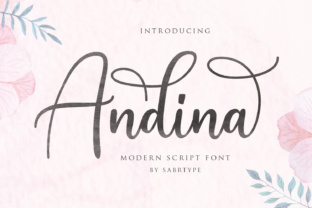
Andina Script stands out due to its unique combination of organic flow and structured form. The letterforms are designed to mimic handwriting while maintaining a level of consistency that makes them legible at various sizes. This balance is crucial for a script font, as many such fonts can become difficult to read when scaled down or used in dense blocks of text.
The font’s design incorporates subtle variations in stroke weight and curve angles, which add visual interest without compromising clarity. These details make Andina Script ideal for projects that require a personal, handcrafted feel but still need to communicate effectively. It is particularly well-suited for logos, headings, and titles where a warm, approachable aesthetic is desired.
Comparing Andina Script to Other Script Fonts
When evaluating Andina Script against other script fonts, it’s important to consider factors such as legibility, versatility, and emotional tone. Many script fonts lean heavily into ornate or decorative styles, which can be visually striking but may not work well in all contexts. Andina Script, by contrast, offers a more restrained and adaptable approach.
- Legibility: Andina Script maintains a higher level of readability than many highly stylized scripts, especially at smaller sizes. This makes it a practical choice for body text in certain design scenarios.
- Versatility: While some script fonts are best suited for specific use cases—such as wedding invitations or luxury branding—Andina Script can be applied across a broader range of projects, from web design to print materials.
- Emotional Tone: The font’s design conveys a sense of warmth and authenticity, which sets it apart from more formal or rigid alternatives. This makes it a good fit for brands that want to appear friendly and relatable.
Strengths and Tradeoffs of Andina Script
One of Andina Script’s greatest strengths is its ability to convey personality without overwhelming the viewer. Its soft curves and gentle transitions create a sense of approachability, which can be beneficial in marketing and communication efforts. However, this same characteristic may also limit its effectiveness in more serious or high-stakes environments where a stricter, more professional look is required.
Another advantage of Andina Script is its compatibility with modern design trends. It works well alongside sans-serif and serif fonts, allowing for creative combinations that enhance visual hierarchy. That said, its script nature means it should be used strategically rather than as a substitute for standard typefaces in large bodies of text.
Designers should also consider the technical aspects of using Andina Script. While most digital typefaces are optimized for screen and print, the performance of a script font can vary depending on the platform and application. Testing the font in different contexts is recommended to ensure it meets the project’s needs.
Best Fit Situations for Andina Script
Andina Script is particularly effective in situations where a humanized, authentic feel is desired. For example, it can be used in:
- Branding: Companies looking to establish a warm, personable identity may find Andina Script useful for logos, taglines, or brand guidelines.
- Editorial Design: Magazines, newsletters, and other publications can use the font to add visual variety to headlines and subheadings.
- Web Design: When used sparingly, Andina Script can enhance the aesthetic of websites, especially in areas like hero sections or call-to-action buttons.
It is also a strong choice for projects that aim to evoke a sense of tradition or cultural significance. The font’s name and design elements suggest a connection to South American heritage, which could be relevant for businesses or organizations with a regional focus.
When to Consider Alternatives to Andina Script
While Andina Script has many appealing qualities, there are scenarios where another typeface might be more appropriate. For instance, if the goal is to convey authority, professionalism, or minimalism, a more structured font might be a better fit. In such cases, alternatives like Helvetica, Futura, or Garamond could offer greater clarity and timelessness.
Additionally, if a project requires a high degree of customization or a very specific visual style, a more flexible or modular font might be necessary. Some script fonts are designed with extensive character sets and ligatures, which can provide more creative options for advanced typographic work.
Readers should also consider the target audience when choosing a font. A younger demographic might respond more positively to a bold, modern typeface, while an older or more traditional audience may prefer something more conservative. Andina Script’s approachable style may not resonate with all groups, depending on the context.
Practical Examples and Real-World Applications
To illustrate how Andina Script performs in real-world settings, consider the following examples:
- Small Business Branding: A local café might use Andina Script for its logo and menu designs to create a cozy, welcoming atmosphere. The font’s soft curves and natural flow align with the kind of ambiance the business aims to cultivate.
- Online Courses: An educational platform could incorporate Andina Script in its website headers to add a personal, engaging touch. This helps differentiate the site from more clinical or corporate competitors.
- Event Invitations: A wedding planner might choose Andina Script for invitation designs to reflect the couple’s desire for a personalized, elegant event. The font’s warmth complements the romantic and celebratory tone of the occasion.
In each of these cases, Andina Script contributes to the overall visual language of the project, reinforcing the intended message and emotional impact.
Making an Informed Decision About Andina Script
Choosing the right typeface involves more than just aesthetic preference—it requires an understanding of the project’s goals, audience, and context. Andina Script offers a compelling option for those seeking a script font that balances style with usability. However, it is not a one-size-fits-all solution.
Readers should experiment with the font in different settings to see how it performs. Testing it on various devices, in different sizes, and alongside other typefaces can provide valuable insights. Ultimately, the decision should be based on whether Andina Script aligns with the project’s needs and enhances its overall effectiveness.
By considering the strengths, limitations, and practical applications of Andina Script, designers and developers can make a more informed choice about its suitability for their work. Whether it becomes a key element of a design or a supporting detail, its role will depend on how well it fits the broader vision of the project.